O’PARI: The jewel of Greek shipbuilding with the Main Electrical Panel by C&A.

OPARI THUMB

OPARI2.2

O’PARI: The jewel of Greek shipbuilding with the Main Electrical Panel by C&A.

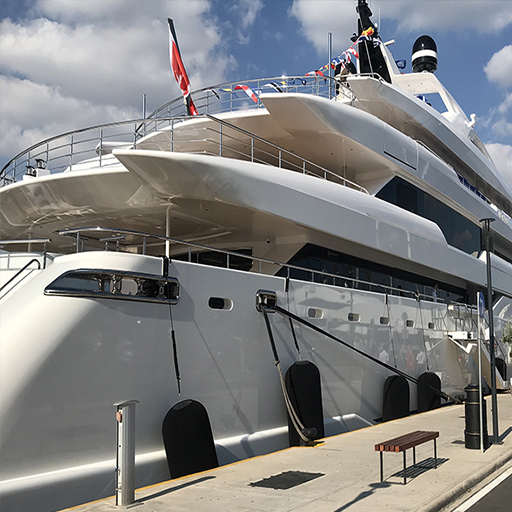
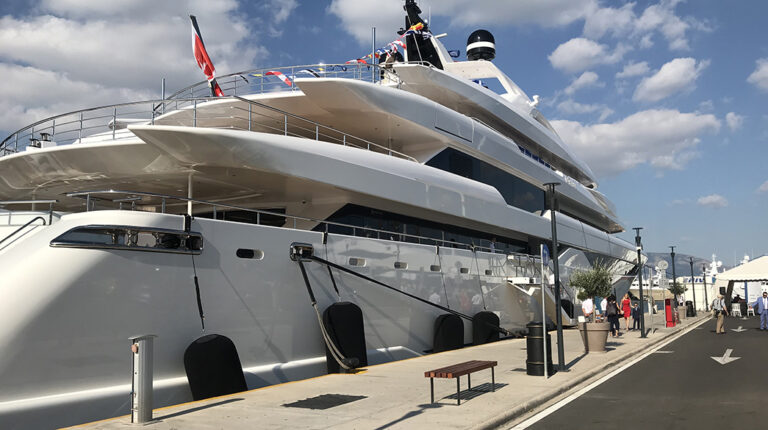
In the early hours of June 26th, O’PARI, the new Mega Yacht-jewel of Golden Yachts, docked for the first time at the Zea Marina quay, in front of the Naval Museum.

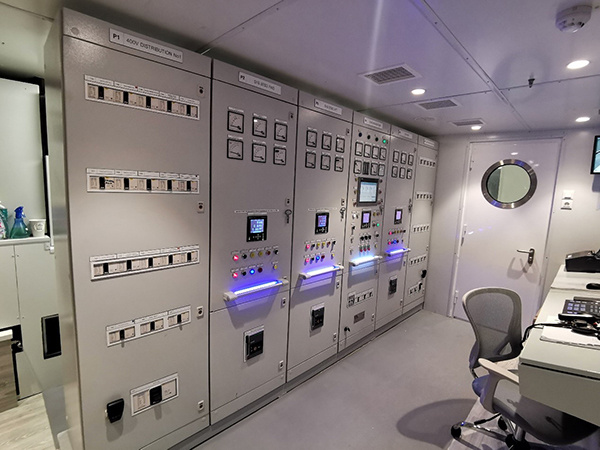
C&A STAVROS KASIDIARIS S.A. has every reason to feel proud of its contribution to the completion of this gem of Greek shipbuilding, as it took on and successfully carried out the design, construction, and installation of the Main and Emergency Switchboards.

This is the 4th mega yacht in a row for Golden Yachts, for which C&A STAVROS KASIDIARIS S.A. has designed and built the main electrical panel. The previous ones include the mega yachts O’Pari II in 2015, Optasia in 2018, and O’Mathilde also in 2018.
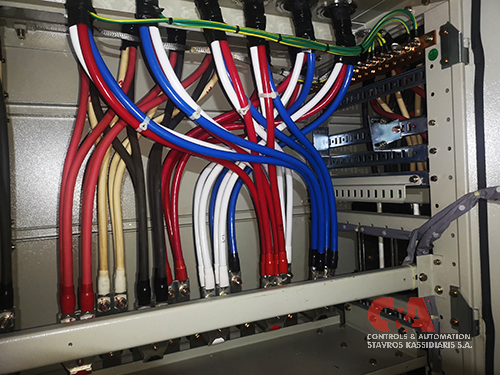
The panels for this project were designed and constructed according to the applicable IEC 61439 standards and certified by the BV certification body. All components and parts incorporated into the panels have marine type approvals.

The Three Panels of the Project
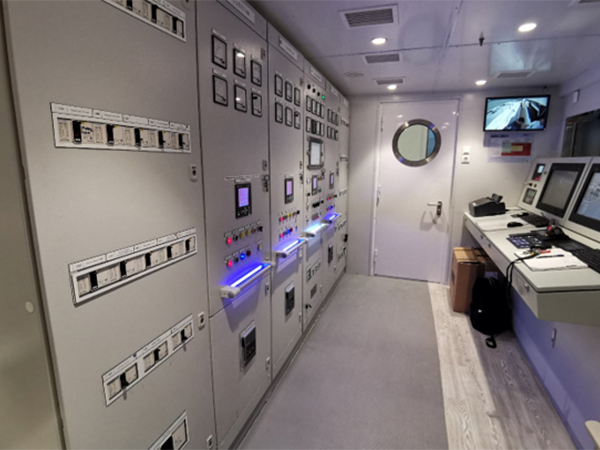
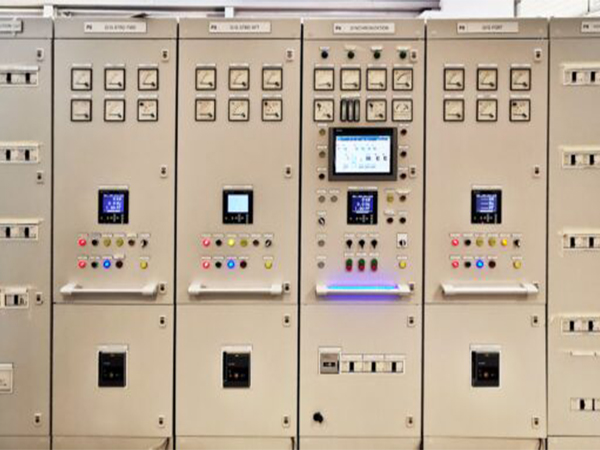
The project consists of three panels: the Main Electrical Panel with a total power of 750kW, the Emergency Panel with 143kW, and the Shore Supply Panel with a total power of 350kW.
The Main Electrical Panel includes three protection fields for the main generators, the energy management system, the high and low voltage distribution fields, as well as the motor starter field.
The Emergency Panel includes the protection field for the backup generator, as well as the high and low voltage distribution fields. The connection to the shore supply is made by transferring from the generator supply without requiring a complete power shutdown.

Our Partners

The project is equipped with a generator protection and energy management system from SELCO, which is integrated with a data collection and visualization system from SIEMENS. The collected data is displayed on a local touchscreen located on the main electrical panel, as well as on the ship’s monitoring system. The electrical equipment is supplied by HYUNDAI ELECTRIC, while the metal panels are from RITTAL.
OPARI P1

OPARI P3

OPARI P2

REEFER MAX | The solution for the transport of refrigerated goods by ship

Erga 1 512px

REEFER MAX The solution for the refrigerated goods transportation front 2.2

REEFER MAX | The solution for the transport
of refrigerated goods by ship

As the global demand for refrigerated goods transport continues to rise, the shipping industry requires new practices to manage the increase in freight volume. The project ‘REEFER MAX’ was recently completed by the technical department of C&A Stavros Kasidiaris S.A., providing a solution to this need.

Specifically, ‘REEFER MAX’ refers to a container ship that maintains the cargo inside the refrigerated containers (reefer containers) at the proper temperature, in accordance with the strict specifications of the charterer. Typically, perishable products such as fruits, meat, fish, vegetables, dairy, flowers, and pharmaceuticals are transported inside the refrigerated containers. Special positions in the hold and on the deck of the ship are equipped with the appropriate power supply and sufficient ventilation space for the cooling compressor. These positions are predetermined before the loading of the ship and are included in the general loading plan followed at each port.

The Beginning of the Project
The project began with a fleet of six container ships, each designed to carry 6700 TEU. During the initial construction and design phase, the ships were equipped with an additional 1200 reefer container slots, both on the deck and in the hold. Upon completion of the project, the number of slots increased by 35%, bringing the total capacity to over 1600 reefer container slots

The First Stage of the Project
The project planning began with a review of the ship’s electrical schematics, ensuring that the new slots could be safely integrated into the ships’ electrical network. All relevant studies, such as the load analysis and short-circuit calculations, were submitted and approved by the appropriate classification societies and certification bodies. According to the ventilation study, additional electric ventilators had to be installed in the cargo areas to increase airflow, providing sufficient ventilation for the higher number of refrigeration units.

The Second Stage of the Project
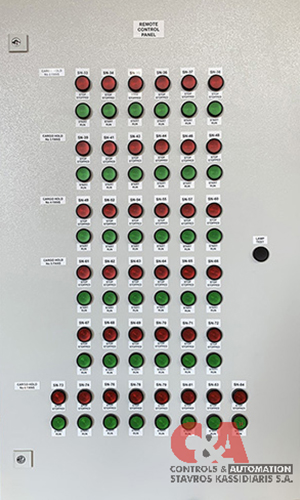
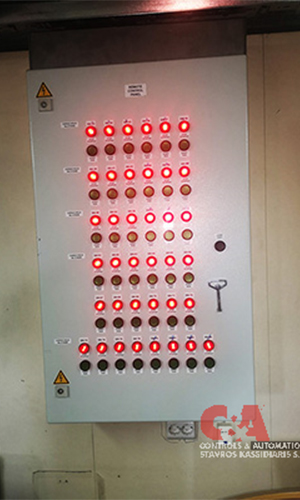
In the second stage of the project, the electrical panels, which had already been manufactured by our technicians, were installed at predetermined locations on the ship. New wiring was also laid to connect the old panels to the new ones and the additional reefer sockets. During the same period, new ventilators were installed in the holds, along with a new remote control panel in the Control Room, allowing the ship’s crew to remotely manage both the new and existing ventilators.

Refcon System Upgrade
After the installation work was completed, the existing remote monitoring system for the status of the reefer containers was upgraded to allow the new containers to be connected as well. Following the upgrade, the crew has access to all information regarding the reefer containers, such as the loading and unloading ports, temperature curves, and more. This enables the crew to provide, upon request, real-time information about the cargo to the container’s owner.

Project Completion
The project was completed in approximately 120 days at the Zhoushan Xinya Shipyard in China. The following were required for the execution of the project:

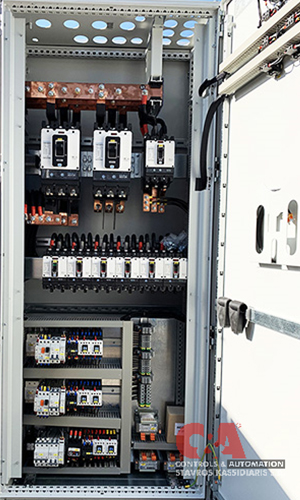
  • 75 days for the construction of 80 electrical panels.
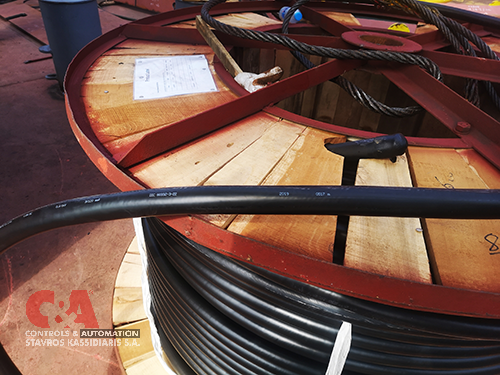
  • More than 60 kilometers of newly installed power cables (ranging from 3x5mm² to 3x120mm²).
  • 35 days for the installation on each ship at the shipyard.
  • 40 workers – technicians per day

REEFER MAX 1 1

REEFER MAX 2 1

REEFER MAX 3

REEFER MAX 4

REEFER MAX 5

REEFER MAX 6